Spoken Language and Oracy
The national curriculum for English reflects the importance of spoken language in pupils’ development across the whole curriculum – cognitively, socially and linguistically.
We recognise that Spoken language underpins the development of reading and writing. The quality and variety of language that pupils hear and speak are vital for developing their vocabulary and grammar and their understanding for reading and writing.
As teachers, we should therefore ensure the continual development of pupils’ confidence and competence in spoken language and listening skills. Pupils should develop a capacity to explain their understanding of books and other reading, and to prepare their ideas before they write. They must be assisted in making their thinking clear to themselves as well as to others, and teachers should ensure that pupils build secure foundations by using discussion to probe and remedy their misconceptions. Pupils should also be taught to understand and use the conventions for discussion and debate.
The “Importance of Oracy Education for our Pupils” document explains our rationale for engaging with the Voice 21 Oracy Programme.
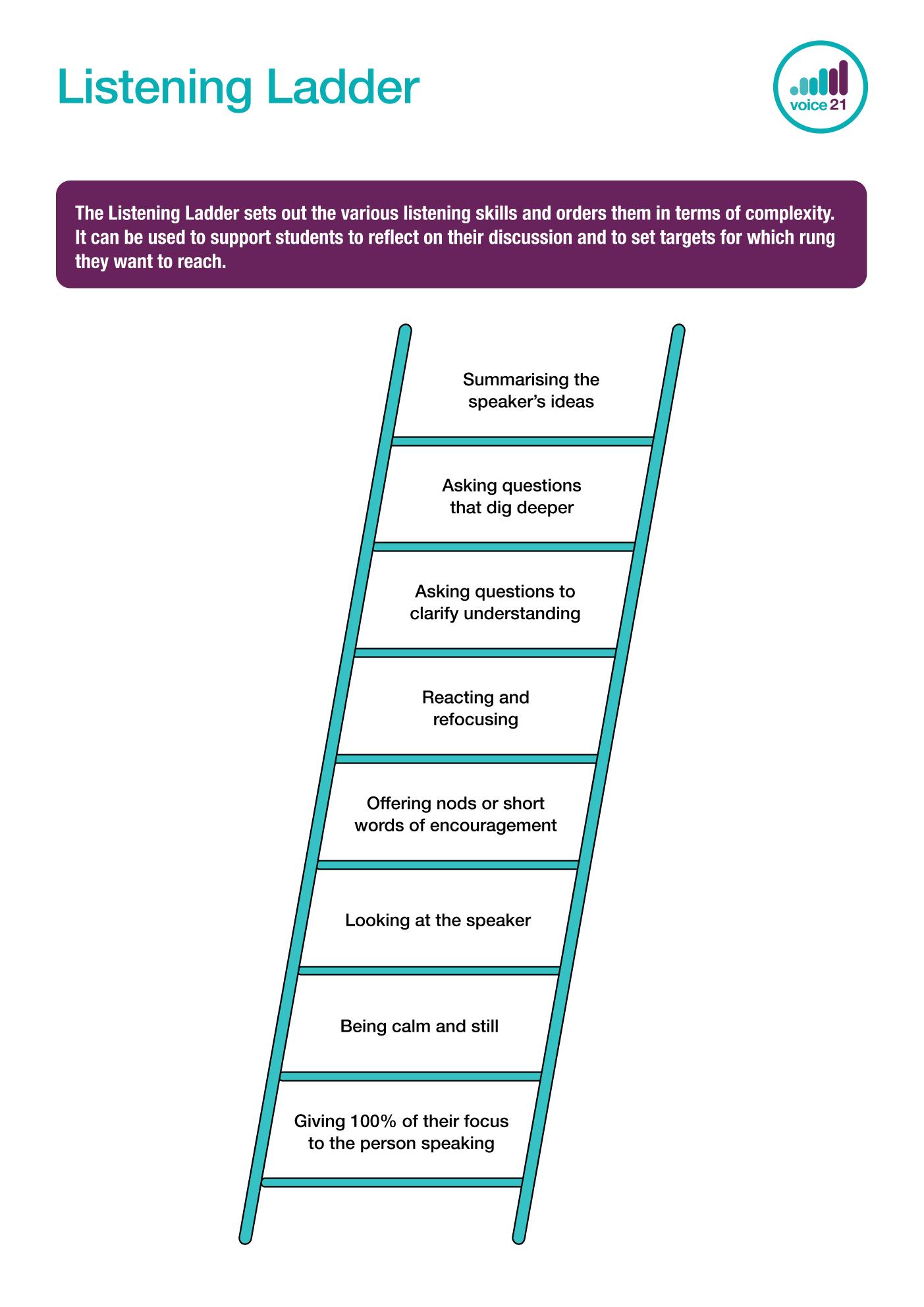
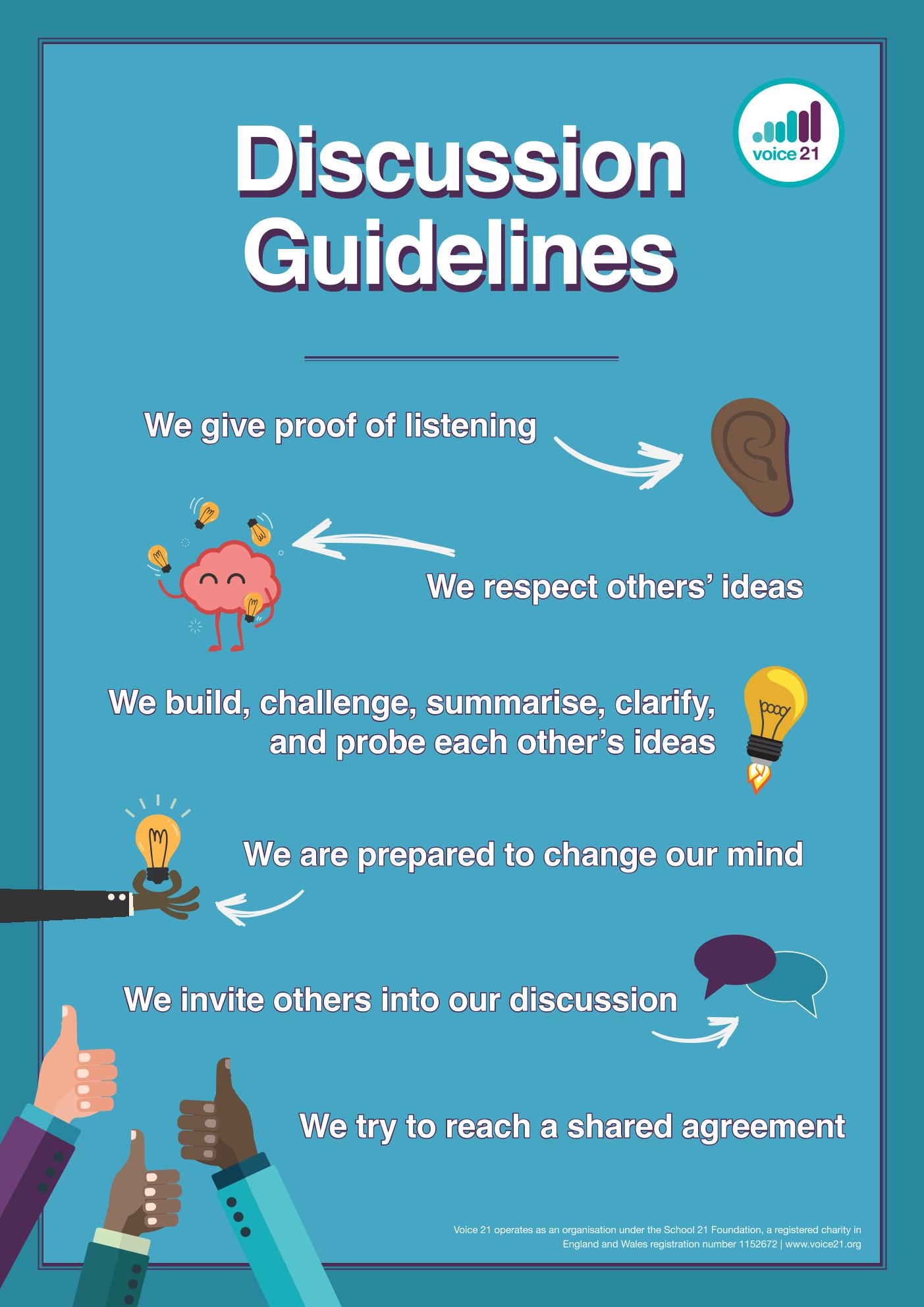
We are guided by the Oracy Framework and our children have been introduced to the “Listening Ladder” and use “Discussion Guidelines” (please see images below).

|
Speaking ListeningIntent.Implementation.Impact.BinbrookCofE.Primary | [pdf 530KB] |

|
|
|
The Importance of Oracy Education for our pupils | [pdf 356KB] |
|
|
|
Benchmarks-report-FINAL | [pdf 3MB] |
|
|
|
Progression in Language Structures | [pdf 535KB] |
|

|
|
The-Oracy-Framework | [pdf 464KB] |
|
|
|
ListeningLadder | [pdf 54KB] |
|
|
|
DiscussionGuidelines | [pdf 208KB] |
|